
5 min read ·
When a Serve Counts as an Ace—and When It Does Not
A legal serve must go untouched to qualify; even slight racquet contact makes the point-winning serve a service winner rather than an ace.
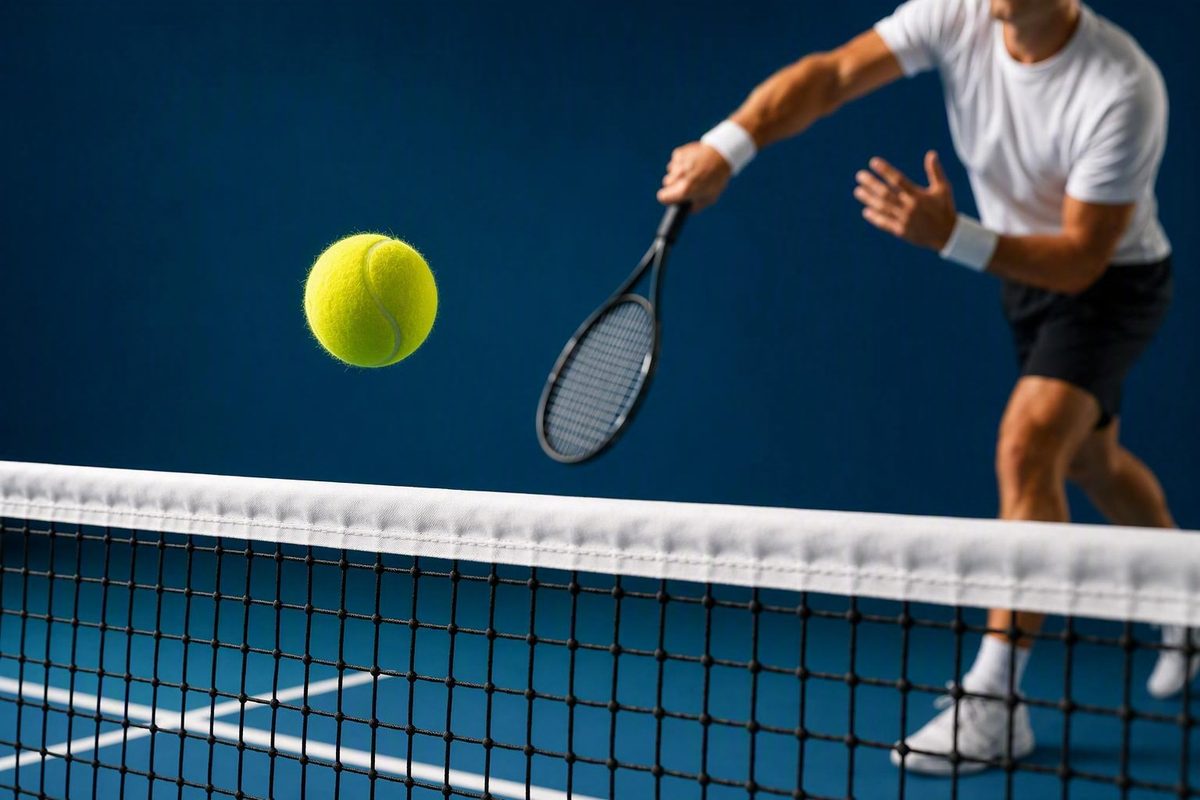
An ace is a legal serve that the receiver does not touch with their racquet, body, or clothing What Is an Ace in Tennis? Meaning, Rules & How to Hit One. It wins the current point immediately, so there is no return and no rally.
The short answer: what counts as an ace
A serve counts as an ace when it is legal and the receiver does not touch the ball with their racquet, body, or clothing What Is an Ace in Tennis? Meaning, Rules & How to Hit One. If both are true, the server wins the point outright.
An ace wins one point; it is not automatically worth a particular displayed score such as 15, 30, or 40. The scoreboard change depends on the score before the serve, and the ace ends a game, set, or match only when that point is decisive. Tennis Companion likewise defines an ace as a serve that lands in the service box without touching the receiver’s racquet and awards one point to the server.
An ace is more specific than an “unreturned serve.” If the receiver touches the ball with the racquet but cannot make a successful return, the server still wins the point, but the serve is not an ace.
The two-part test for identifying an ace
Use these two checks when deciding how to classify a serve.
Test 1: Was the serve legal? The ball must travel diagonally across the net and land in the correct service box. A serve that misses that box is a fault, no matter how fast it travels or whether the receiver reaches it.
Test 2: Did the receiver touch the ball with the racquet? Any racquet contact changes the statistical outcome. A frame touch, slight graze, or small deflection means the serve is not recorded as an ace, even if the receiver has no realistic chance of putting the ball back into play.
Speed is not part of either test. Powerful serves often produce aces because they give the receiver less time to react, but pace is a serving tool rather than a formal requirement.
For example, imagine a moderately paced serve landing wide in the correct box. The receiver anticipates a serve down the middle, moves the wrong way, and never reaches the ball. The result is an ace because the serve was legal and the receiver did not touch it, regardless of its speed.
Ace, service winner, fault, or let?
Several serve outcomes can end quickly, but they are not interchangeable. The key differences are where the ball lands, whether the receiver touches it, and whether the serve clips the net.
| Outcome | Where the serve lands | Receiver touches it? | What happens next |
|---|---|---|---|
| Ace | Proper service box | No racquet contact | Server wins the point |
| Service winner | Proper service box | Yes, but no successful return | Server wins the point |
| Fault | Outside the proper service box | Not decisive | Another serve follows, unless it completes a double fault |
| Let | Clips the net and otherwise lands correctly | Not decisive | Serve is replayed |
The USTA tennis glossary defines a fault as a serve that misses the proper service box and a let as a net-touching serve that is otherwise good and must be taken again. A let therefore cannot be an ace on that delivery because the serve is replayed rather than awarded as a point.
A service winner generally means that the receiver touched a legal serve but failed to return it successfully.
Two examples show the boundary:
- A legal serve glances off the returner’s racquet frame and flies away. The server wins the point, but the serve is not an ace because racquet contact occurred.
- A serve clips the net and then lands in the proper box. It is a let, so the serve is replayed rather than counted as an ace.
First-serve and second-serve aces
Both first and second serves can be aces. The classification does not change: the serve must be legal, and the receiver must not touch it with the racquet.
In professional tennis, aces are generally more common on first serves. The server can usually attempt greater pace or more ambitious placement while still having a second service attempt available after a first-serve fault. The overview of aces in professional tennis notes that they are generally seen more often on first serves.
A second-serve ace wins the same single point as a first-serve ace; it does not receive separate scoring treatment.
How aces fit into serve statistics
Aces are tracked separately because they represent a distinct subset of point-winning serves: legal deliveries on which the receiver makes no racquet contact.
Not every serve that fails to come back is an ace. A receiver might reach the ball and deflect it without completing a valid return.
The ATP’s Serve Effectiveness framework illustrates why ace totals cannot describe an entire serving performance. It treats aces as one component of effective serving alongside service winners, unreturned serves, and attacking first balls. Those categories capture both immediate winners and serves that create an advantage for the server. The framework and its reported averages apply specifically to ATP Tour analysis rather than every standard or level of tennis, as explained in the ATP’s overview of Serve Effectiveness.
Serving Stats covers deeper measures such as ace rates, serve placement, speeds, and related serving metrics. Those measures answer different questions: an ace count records untouched legal serves, while broader statistics examine how often a serve creates or converts an advantage.
Frequently asked questions
Does an ace win the point immediately?
Yes. A legal serve that qualifies as an ace ends the current point immediately, with no return or rally. Whether that point also ends the game, set, or match depends on the score beforehand.
Is speed required for an ace?
No. There is no minimum speed or required placement near a corner. A slower serve can be an ace if it lands legally and the receiver does not touch it with the racquet.
Does a serve on the service-box line count as an ace?
Yes. A serve landing on a service-box boundary line is treated as landing in the box. If the delivery is otherwise legal and the receiver makes no racquet contact, it can count as an ace; this in-or-on-the-line treatment is also described in the adidas Tennis Camps terminology guide.